
The Layering Logic
Yes, there's an Indian summer section at the end. You're going to want it.
A head-to-toe guide to cycling apparel layering — what goes on first, what comes off first, and why every choice has a reason built into it.
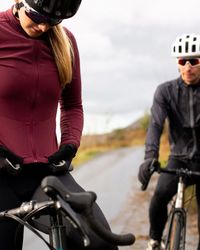
The Rule of Reverse Removal
Every layer you put on before a ride follows one simple principle: the first thing you want to take off should be the last thing you put on.
As your body heats up and the sun climbs, you'll start shedding. What goes outermost — your windcheater, your arm warmers, your leg warmers — is what comes off first. They're designed that way. Cycling-specific outerwear packs into a pocket-sized roll. Arm and leg warmers slide off without stopping. The order of dressing is literally a countdown to comfort. Dress in the order you want to stay warm. Undress in the order you want to cool down.
Head & Face

Head & Face
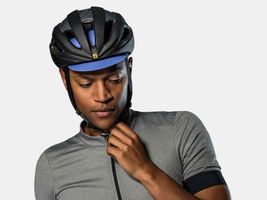
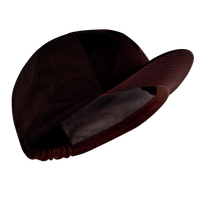
This is your first contact with your skull. A thin cycling cap or headband manages sweat, keeps hair in place, and on cold days adds a critical layer of warmth to your ears and forehead. A neck gaiter or bandana can double up — pulled up over the nose in freezing weather, dropped around the neck once you warm up. It sits directly on skin, so it goes on first.
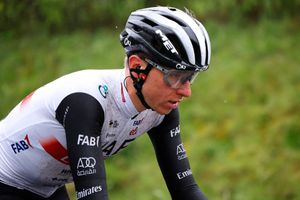
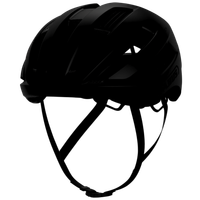
Goes over the cap — always. The helmet needs to sit flush and correctly sized against your head. Wearing it over a cap or headband accounts for that slight volume and keeps the fit consistent. Non-negotiable on the bike. The helmet also acts as a wind buffer for everything underneath it.
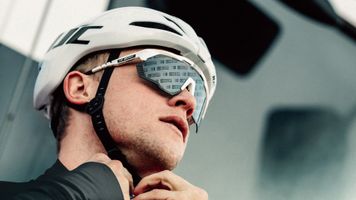
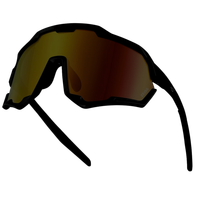
Last thing on your face, first thing you can tuck away. Glasses sit outside the helmet straps, making them the easiest thing to remove. They protect against UV, wind, road debris, and insects — pick lenses suited to the light conditions. On overcast days, swap to clear or low-light lenses. They can go on the helmet vents or in a jersey pocket the moment conditions change.
Why this order
The head zone follows a tight inside-out logic. Thin layers touch skin, structural layers go over them. The cap shapes to your head before the helmet shapes to the cap. Glasses are always outermost because they're the quickest to adjust. If you need to remove your helmet mid-ride (rest stop, café stop), the glasses come off first without fighting the straps.
In cold weather, having a gaiter that can be worn under the helmet means you can pull it up or down without removing anything above it.
Upper Body
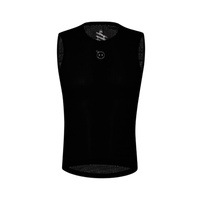

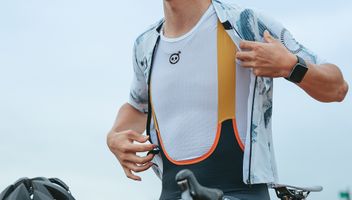
Goes directly on skin. Its job is singular: wick sweat away from your body and push it outward to the jersey. A damp base layer keeps you warm in the cold and prevents the clammy feeling that drains energy. Mesh base layers add insulation without weight — an essential on anything below 15°C. No other layer can do this job if placed between skin and base.
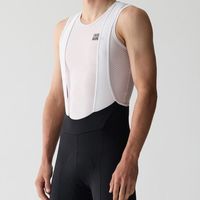
Bibshorts go on at this stage — before the jersey — because the bib straps need to sit cleanly over the base layer and underneath everything on top. This sequence means the bib straps are never trapped or twisted under layers. The chamois pad is already in place at the seat, and the bib...
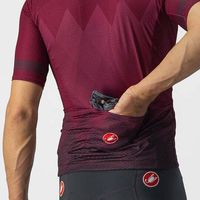
The jersey is your primary upper-body garment. It goes over the bibshort straps, securing everything in place and giving you three rear pockets for food, tools, and anything you'll need to pack or unpack mid-ride. The jersey's main role is breathability and fit — it should be snug enough...
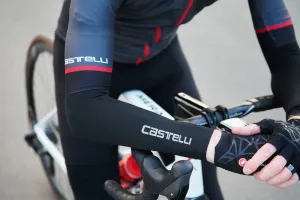
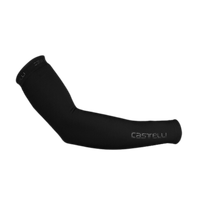
Slid on over the jersey sleeves and tucked neatly at the wrist. Arm warmers are the cyclist's signature piece of genius — when it gets warm, you can roll them down to your wrists and eventually off, all without stopping. They add 8–12°C worth of coverage for almost zero pack size. The...
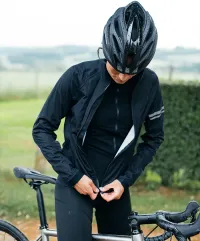
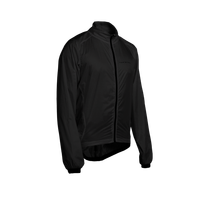
The outermost upper-body layer. Cycling-specific jackets are engineered to compress down to roughly the size of a water bottle and roll into themselves — designed specifically to live in a rear jersey pocket when not needed. They block wind, repel light rain, and cut the wind-chill on...
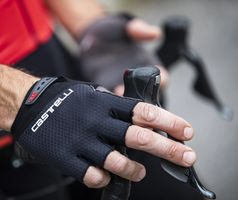
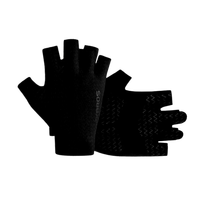
Final piece, and arguably the most frequently swapped. Short-finger gloves for warm rides, full-finger for cold, insulated lobster-claw style for sub-zero. Gloves protect the palms on crashes, reduce handlebar vibration fatigue, and keep fingers functional in cold weather. Cold hands lose...
Why this Order
Upper body layering is a system of nested functions. Each layer has one primary job — moisture, insulation, protection, aerodynamics — and each is ordered so it can perform that job without compromising the layers next to it.
The key efficiency gain is thermal regulation without stopping. An amateur stops, removes a bag, digs out a jacket, fumbles with zips. A rider who's layered correctly simply reaches back, grabs the rolled jacket from a pocket, and rides on. The layers were chosen and ordered so that every adjustment takes under 30 seconds at speed.
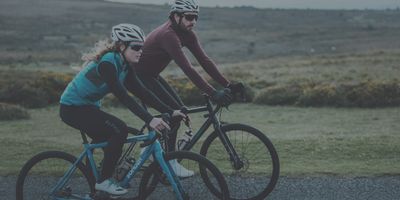
The Reverse Removal Rule in action on the upper body
Jacket first (it's outermost), then gloves if it's warm enough, then arm warmers rolled down from elbow to wrist and off in one motion. Your jersey stays on the entire ride. Your base layer is never exposed. Each outer layer was specifically chosen and positioned to come off cleanly, one at a time, without disturbing what's underneath.
Lower Body
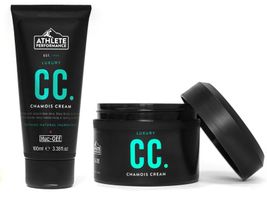
Before anything goes on, the chamois pad — and the skin that will be in contact with it — gets a generous application of cream. This reduces friction dramatically on longer rides, prevents saddle sores, and keeps the chamois pad supple. Apply directly to the pad, to the skin, or both...
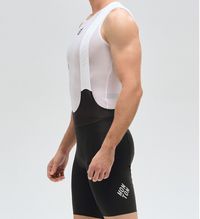
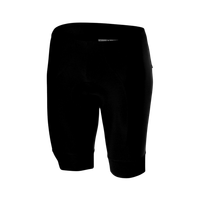
First layer of clothing, directly on skin — no underwear beneath, ever. The chamois pad is built into the short and needs skin contact to function. Underwear creates additional seams and friction points that will cause chafing within the hour. Bib shorts are preferred over waist shorts...
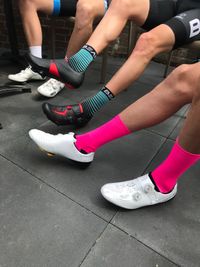
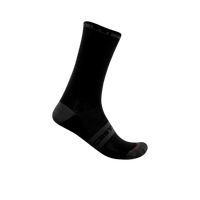
Socks go on before leg warmers and shoes — this is the obvious one, but the length matters. Tall socks (mid-calf) overlap the shoe top and reduce drafting on the ankle. They also prevent the leg warmer from sliding down and bunching above the shoe. In cold weather, a wool blend manages...
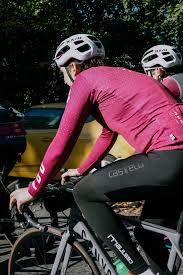
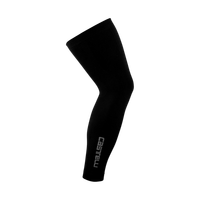
Pulled on over the socks, sitting under the hem of the bibshort. They extend the coverage of your shorts down to the ankle when it's cold — and like arm warmers, they're removable mid-ride. When the sun hits and your legs stop needing protection, you can stop briefly, peel them off, and...
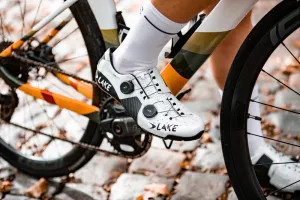
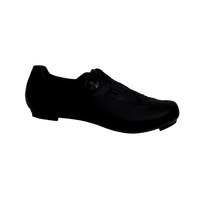
Stiff-soled shoes clip directly to the pedal, transferring every watt of effort into the drivetrain with zero flex-loss. They go on after leg warmers so the shoe buckle or boa system closes cleanly over everything. The shoe is your permanent fixture — unlike warmers and covers, these stay...
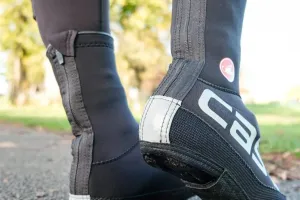
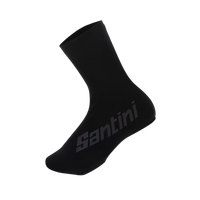
The outermost lower-body layer, and the last thing you put on before clipping in. Neoprene or waterproof overshoes wrap over the shoe entirely, blocking wind-chill from destroying the warmth you've built up at your feet. Thin aero covers work in cool-but-dry conditions; thick neoprene...
Why this order
The lower body is where rider efficiency is most often destroyed — not by the wrong gear, but by the wrong order. Chamois cream applied after shorts means wrestling with clothing in a car park. Leg warmers put on after shoes means removing the shoe to take them off mid-ride. Socks under leg warmers means the warmers fall. Every step in the lower body sequence is there to make sure the previous step isn't compromised.
The logic of prep → foundational layer → socks → removable warmth → fixed footwear → weather protection means that every layer is accessible for the exact adjustment it needs. Leg warmers come off without disturbing shoes. Shoe covers come off without disturbing warmers. Nothing is trapped underneath something it shouldn't be.
Riding in the Indian Summer
What Actually Makes Sense
Most layering guides are written for European spring classics and alpine descents. Indian summers are a different beast entirely — 35°C before 8am, humidity that makes your glasses fog up the moment you step outside, and a sun that doesn't negotiate.
The layering logic doesn't disappear, it just gets stripped down to the essentials.
On your head — skip the cap for warmth, but keep something on. A thin, moisture-wicking cycling cap or an open-back headband under your helmet manages sweat and stops it from running into your eyes. A buff or gaiter around the neck can be wetted down and worn loosely — evaporative cooling is real and underrated.
Upper body — a sleeveless or short-sleeve wicking base layer is still worth wearing. At 38°C it feels wrong, but it's the layer doing the actual work of pulling sweat off your skin so the jersey can breathe. Over it, a lightweight aero jersey with mesh panelling is all you need. No arm warmers. No jacket — unless you're starting before sunrise and it's a long ride, in which case a very light wind vest for the first hour is enough.
Lower body — bibshorts only. Chamois cream becomes non-negotiable in the heat; sweat accelerates chafing significantly. No leg warmers unless you're riding before 6am. Tall socks help with sun exposure on the ankle and lower leg, and white or light coloured ones reflect rather than absorb heat.
Shoes — ditch the overshoes entirely. Look for shoes with maximum ventilation. Wet socks from sweat inside a closed shoe are just as bad as cold feet in winter — just a different kind of miserable.
The Indian summer rule is simple: every layer must earn its place. If it's not wicking, protecting from the sun, or keeping road debris off you — leave it at home.