100 km Means Nothing Without This
Most cyclists measure their rides in kilometres. It’s the easiest number to understand and the one to show off. You rode 100 km, so it must have been a good ride, right?
Not necessarily.
The uncomfortable truth is that distance alone tells you almost nothing about what actually happened to your body during that ride. It doesn’t tell you how hard it was, whether it stressed your system enough to create adaptation, or whether it just left you tired without making you better. Distance feels objective, but when it comes to training, it lies.
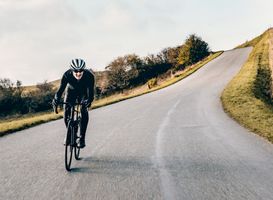
The Problem With “I Rode 100 km”
A 100 km ride can mean very different things. It could be a smooth, flat route with a tailwind, ridden at a comfortable pace with a few coffee stops along the way. It could also be a rolling, exposed route with climbs, heat, and wind that leaves your legs empty by the end.
The number is the same.
The “physiological stress” is not.
Your body does not adapt to kilometres. It adapts to stress. When you rely only on distance, you have no real way of knowing what kind of stress you applied — or whether it was useful at all.
Power cuts through that noise.
When you start looking at rides through the lens of watts instead of kilometres, you begin to understand something critical: training quality matters far more than training quantity.
How Power Brings Structure to Training
One of the biggest advantages of training with power is clarity. Without it, most riders live in the grey zone — riding a little too hard on easy days and not hard enough on hard days. Over time, this leads to fatigue without meaningful improvement.
Power removes that guesswork.
Easy days become genuinely easy because you can cap your effort. Hard days become truly hard because you can hit specific targets. Intervals are no longer based on feel or hope; they are measurable and repeatable. Recovery stops being something you rush through and becomes something you respect.
This structure is often the difference between riders who stay “pretty fit” and riders who actually get faster year after year.
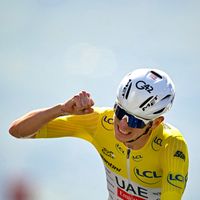
How Does Tadej Pogačar Train?
Tadej Pogačar trains by power zones, not distance. Most of his riding happens in lower zones to build a huge aerobic base, with hard efforts added selectively around threshold and above.
The key isn’t his watt numbers, but his structure. Intensity is controlled, not mixed. That’s the real lesson for amateur riders — discipline with zones matters more than chasing speed.

Why Power Zones Matter More Than Speed
Speed is a misleading number because it changes with wind, road, and conditions, even when your effort stays the same. Power zones remove that confusion by showing how hard you were actually working, not how fast the bike moved.
That’s why power zones matter. Two rides can cover the same distance, but if one is mostly easy effort and the other includes long periods of high intensity, the training effect will be completely different. Distance can’t show that. Power zones can.
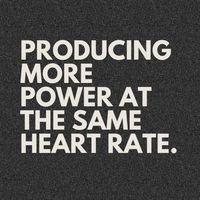
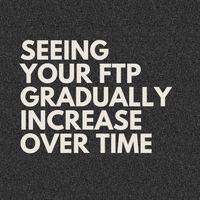
What Real Progress Looks Like
Choosing the Right Power Meter
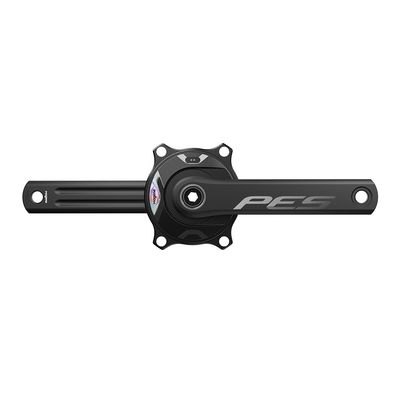
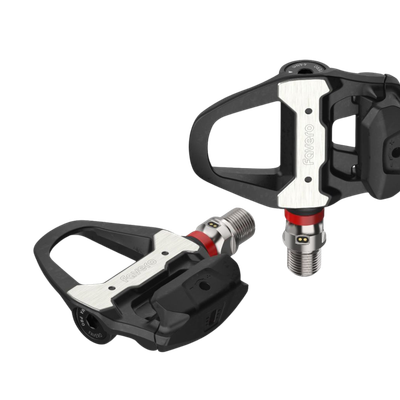
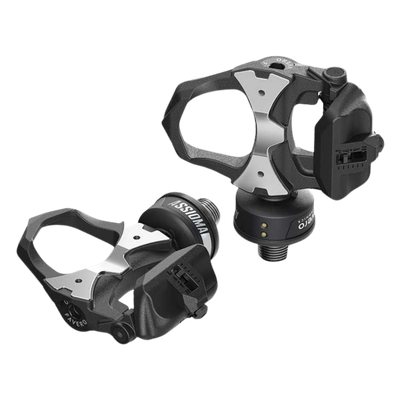
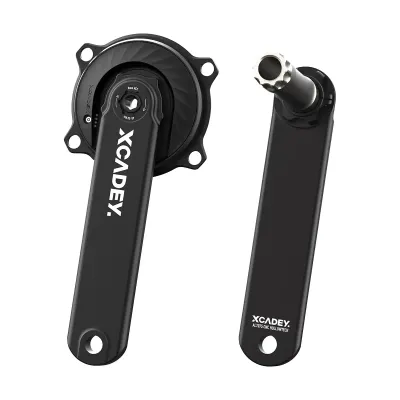
There’s no single power meter that suits everyone. The right choice depends on how you ride and how often you change bikes. Pedal-based power meters work well for riders who use multiple bikes or want easy installation, while crank or spider-based systems suit those who prefer a clean, permanent setup. Brands like Favero Assioma, Magene, XCadey, and Look cover everything from weekend riding to serious racing. What matters isn’t price — it’s choosing a system you’ll actually use.